Healthy soil is the foundation of a successful garden. If you get the soil preparation step right, your plants will be stronger, healthier, and easier to care for.
Start with What You Have
Before adding anything, take a few minutes to understand your soil.
How to Check Your Soil (Simple Tests)
1. The Squeeze Test (Texture Test)
Grab a handful of slightly damp soil and squeeze it in your hand.
- If it falls apart easily → sandy soil (drains too fast)
- If it holds shape but crumbles → ideal soil
- If it stays in a hard clump → clay soil (holds too much water)
2. The Drainage Test
This tells you how well water moves through your soil.
Steps:
- Dig a hole about 6–8 inches deep
- Fill it with water
- Let it drain completely
- Fill it again and watch
- Drains in under 1 hour → too fast (soil may dry out quickly)
- Drains in 1–3 hours → perfect
- Still full after several hours → poor drainage
3. Look at Color and Life
Healthy soil is usually:
- Dark brown or black
- Full of worms or bugs
If your soil is pale, hard, or lifeless, it just needs improvement—not replacement.
Improve Your Soil (The Easy Way)
The best thing you can add to any soil type is organic matter.
What to Add:
- Compost (best option)
- Bagged garden soil
- Aged manure
You don’t need anything complicated—simple is better.
How to Add It:
- Spread 2–3 inches of compost on top of your soil
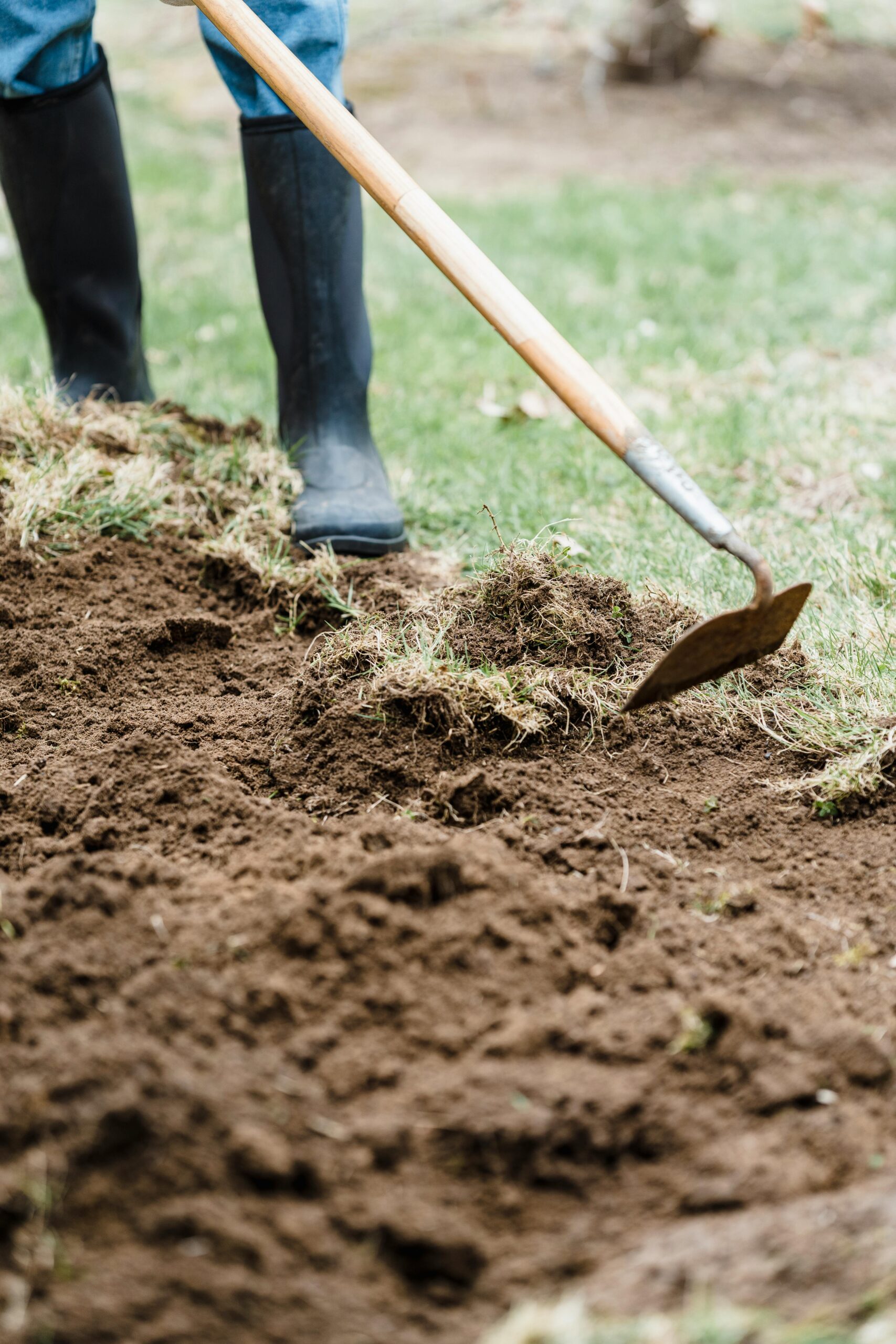
- Mix it into the top 6–8 inches using a shovel or rake
If your soil is very poor, you can repeat this process each season.
Why This Works
Organic matter improves:
- Drainage in clay soil
- Water retention in sandy soil
- Nutrients for plants
It fixes almost everything over time.
Make Sure It Drains Well
Good soil holds moisture but doesn’t stay soggy.
Signs of Poor Drainage:
- Water sitting on top after rain
- Soil feels sticky and heavy
- Plants turning yellow or rotting
How to Fix Drainage:
- Add compost (this is the #1 fix)
- Avoid walking on soil (prevents compaction)
- Loosen soil with a garden fork
What NOT to Do
Don’t add sand to clay soil—it often makes it worse and harder.
Consider Raised Beds (Optional but Helpful)
Raised beds are a great option, especially if your soil is very hard or drains poorly.
Benefits:
- Better control over soil quality
- Improved drainage
- Warms up faster in spring
- Easier to maintain
Simple Setup:
- Build or buy a raised bed frame
- Fill with a mix of:
- Compost
- Topsoil
- Organic material
Keep Improving Over Time
Soil gets better the more you work with it.
Each season:
- Add compost
- Avoid over-tilling
- Keep soil covered (mulch helps)
Final Thoughts
You don’t need perfect soil to start gardening. Just focus on improving what you have.
If you:
- Check your soil
- Add organic matter
- Improve drainage
…you’ll create a strong foundation for everything you grow.
Next Step: Choosing Plants
Now that your soil is ready, it’s time for Step Three: Choosing Your Plants!