Growing Your Green Thumb: Essential Tips for Beginning Gardeners
Starting a garden can feel like a daunting task, but it is one of the most rewarding hobbies you can undertake. Whether you have a sprawling backyard or just a small sunny balcony, these essential tips will help you cultivate a thriving garden from day one.
1. Start Small and Manageable
The most common mistake new gardeners make is trying to do too much at once. A massive plot requires significant time for weeding, watering, and maintenance. Start with a few containers or a small 4 X 4 foot raised bed. You can always expand next season once you’ve mastered the basics.
2. Location is Everything
Most vegetables and flowering plants need at least 6 to 8 hours of direct sunlight daily.
- Sunlight: Observe your yard throughout the day to see which areas get the most sun.
- Water Access: Plan your garden near a water source. Lugging heavy watering cans across a large yard is a quick way to burn out.
- Visibility: Place your garden where you will see it regularly. If it’s “out of sight, out of mind,” you might forget to weed or water it.
3. Know Your Zone
Your geographic location determines your “growing zone,” which tells you which plants can survive your local climate and when your first and last frost dates typically occur. You can find your specific zone using the USDA Plant Hardiness Zone Map.
4. Invest in Quality Soil
Plants get their nutrients and stability from the soil. Most “natural” backyard soil can benefit from being amended with compost, leaf mold, or aged manure to improve drainage and nutrient content. If your ground soil is poor, raised beds filled with high-quality potting mix are an excellent alternative.
5. Pick “Easy-to-Grow” Plants
For your first season, choose resilient plants that offer high rewards for minimal effort:
- Vegetables: Lettuce, tomatoes, radishes, and green beans are notoriously beginner-friendly.
- Herbs: Basil, mint (keep in a container!), and chives grow quickly and can be used immediately in the kitchen.
- Rule of Thumb: Only grow what you actually like to eat.
6. Essential Basic Tools
You don’t need a shed full of expensive equipment to get started. A basic starter kit includes:
- Gardening Gloves: To protect your hands from thorns and blisters.
- Hand Trowel: For digging small holes and planting.
- Pruning Shears: Essential for trimming and harvesting.
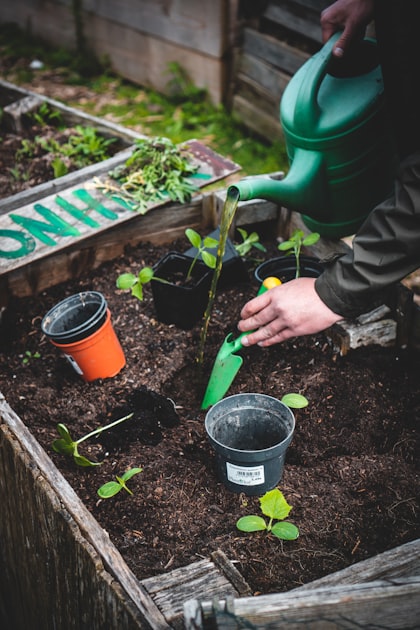
- Hose or Watering Can: For consistent moisture.
7. Consistency is Key
Gardening is less about “luck” and more about routine. Check your plants daily for signs of pests or wilting. A simple way to check if your plants need water is the “finger test”: stick your finger one inch into the soil; if it feels dry, it’s time to water.